


How to Remove Gel Nails and Builder Gel with an E-File, Without Damage
The removal is where a manicure is really judged. The professional e-file method, the right bits and the mistakes that leave nails thin and sore.

The removal is where a manicure is really judged. The professional e-file method, the right bits and the mistakes that leave nails thin and sore.

Everyone talks about the application. The removal is where a manicure is really judged. Done well, it leaves nothing behind: a smooth, intact natural nail, ready for the next set. Done badly, it leaves nails thin, sensitive and marked for months, and it is almost always the removal, not the gel, that gets the blame.
With an electric file, removing gel becomes faster, cleaner and far gentler on the nail, provided you respect a few rules. Here is the professional method, the bits to use, the moment to put the file down, and the mistakes that damage the natural nail. All it takes is a professional nail drill with variable speed and the right bits.
Not every product comes off the same way. Many gel polishes can be soaked off once the top coat has been broken, but builder gel and rubber base are designed to stay put, and soaking them takes a long time and dries out the skin. For these, filing is the right method.
Whatever the method, one rule never changes: gel is filed off, never peeled or forced. Pulling it away takes the top layers of the natural nail with it.

A light, well-balanced file makes all the difference over a long day of removals. The Elegelli Professional Cordless Nail Drill has a brushless motor with a speed range up to 45,000 RPM and a battery that lasts a full working day, so there is no cable pulling at your wrist. Our guide to choosing a nail drill explains what to look for. Or see it directly in our nail drills collection.
For the bulk of the gel, professionals choose a barrel-shaped bit in carbide or ceramic, ideally with a rounded safety top, which removes product efficiently without catching the skin. For the thin layers close to the natural nail, a finer grit gives more control. Coarse bits are for product only, never for the nail itself. Our nail drill bits guide explains every shape and grit.
A full removal at every appointment is rarely necessary. When the set is in good condition, an infill is kinder to the nail: the technician files down the old product, leaves a thin layer in place and rebalances the structure with fresh gel. The natural nail is never left bare, and never filed twice.
A full removal makes sense when the product has lifted, when you want to change system or colour completely, or simply to give the nail a fresh start. If your nails feel soft afterwards, a flexible strengthening layer will support them while they grow; our guide to strengthening natural nails explains how.

A well-removed nail looks like a natural nail: smooth, even and intact. Keep it supple with cuticle oil morning and evening and wear gloves for household chores. If you are starting a new set straight away, cleanse and dehydrate the nail with Prep Booster and begin with a thin, flexible base such as RB01 Rubber Base Transparent.
Yes. File it down patiently by hand with a medium file, then finish with a soft buffer. Soaking alone rarely removes builder gel.
Not when it is done properly: a suitable bit, light pressure, constant movement and a hand-buffed finish. Damage comes from pressure, heat and bits used on the natural nail.
With an e-file and some practice, a few minutes per hand for gel polish, a little longer for builder gel.
A barrel bit in carbide or ceramic with a rounded safety top for the bulk, then a finer grit or a hand buffer for the last layer.
Rubber base is usually filed off. An infill, leaving a thin layer in place, is often the gentlest option.
Discover our builder gel and gel polish ranges for the next set.
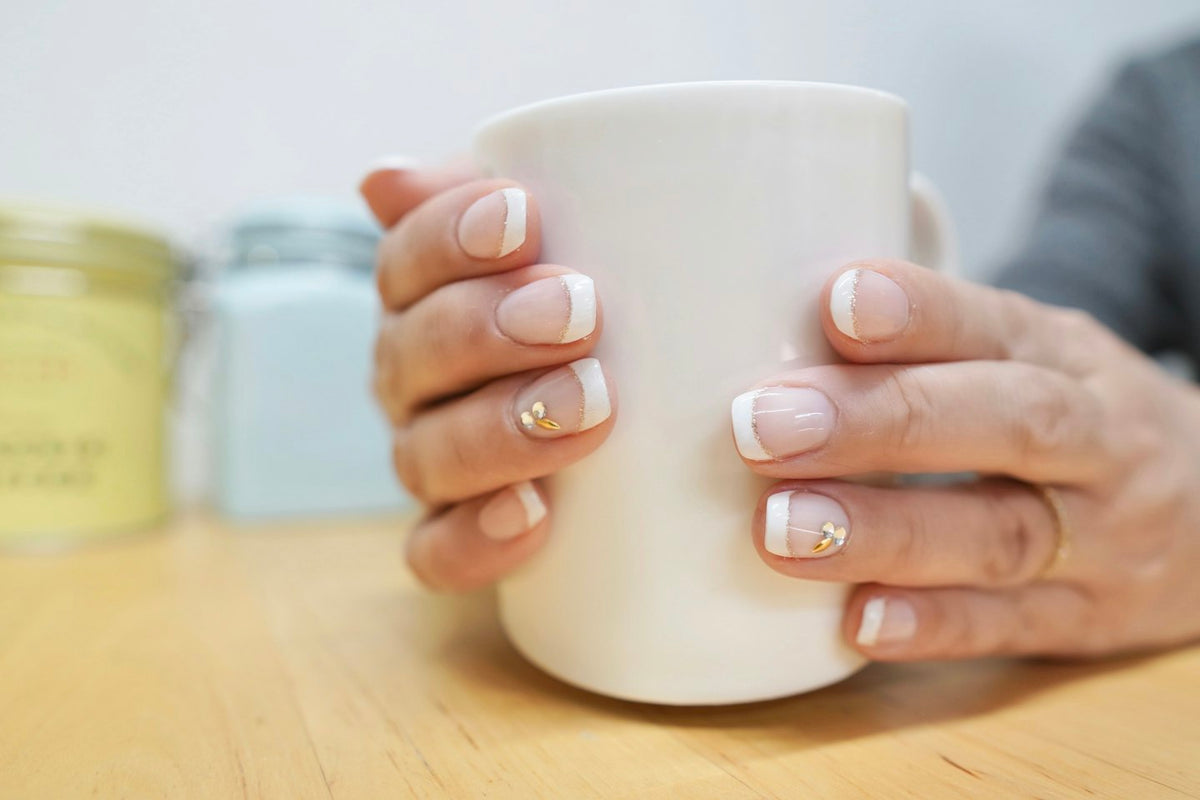
Square Nails: How to File Them, Plus 15 Square Nail Designs
Square nails keep the full width of the nail, so they're strong and made for French tips. Learn to file corners that don't snag, then choose one of 15 designs, from a micro French to long extensions.
9 min read
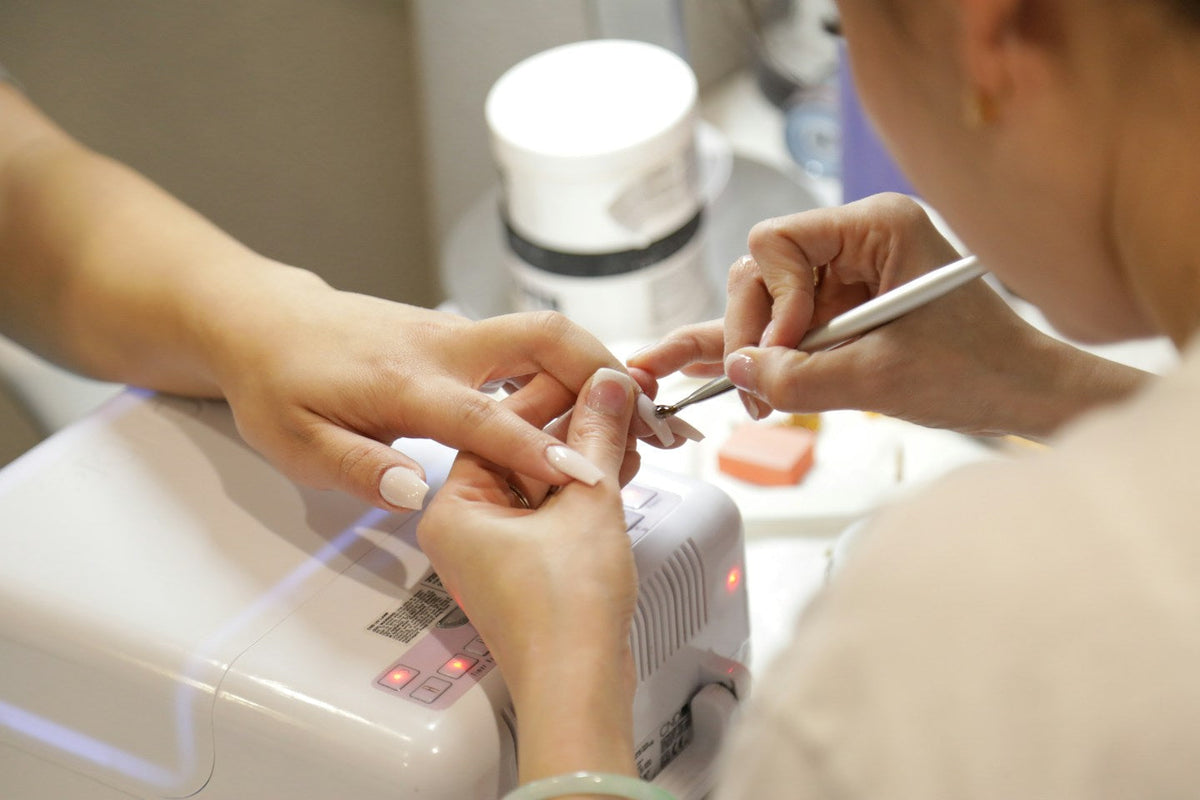
How Long Does Gel Polish Last? Why It Lifts and How to Make It Last…
Gel polish should last two to three weeks. If yours lifts or peels after a few days, the prep is almost always to blame. Here's what goes wrong and how to fix it.
7 min read
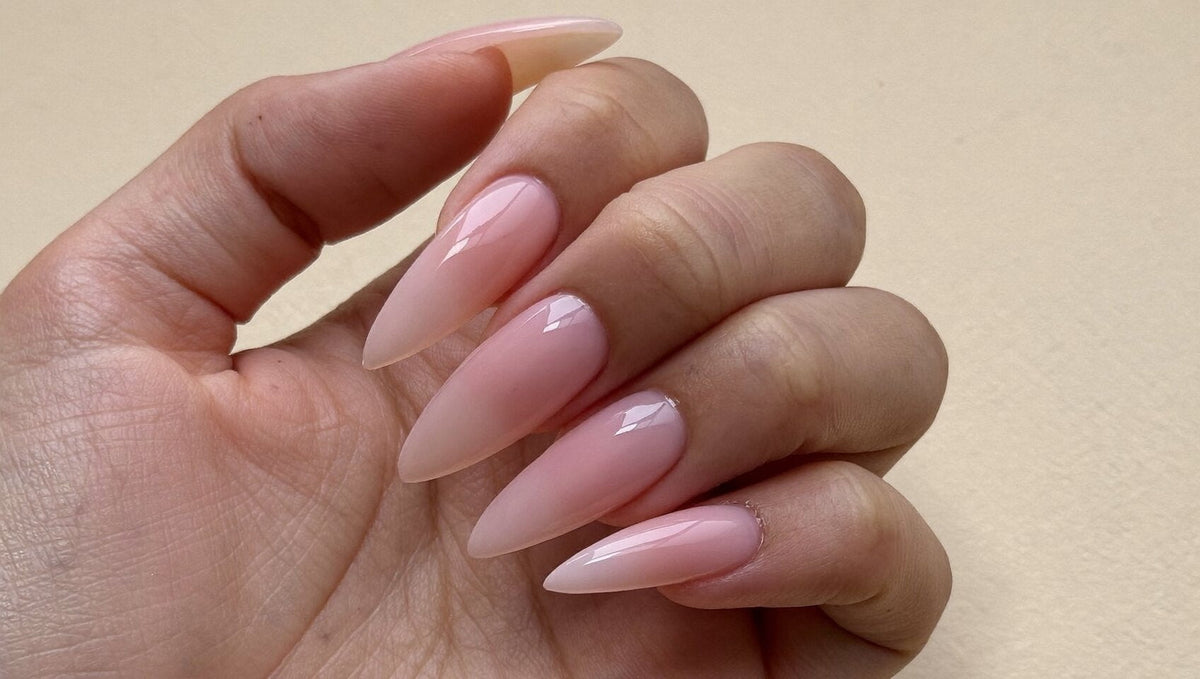
Gel Nail Extensions on Forms: How to Sculpt Them, Step by Step
No tip, no fixed shape: a length of gel sculpted over a simple form. How to fit the form, build the apex and avoid the mistakes that make extensions lift or break.
6 min read
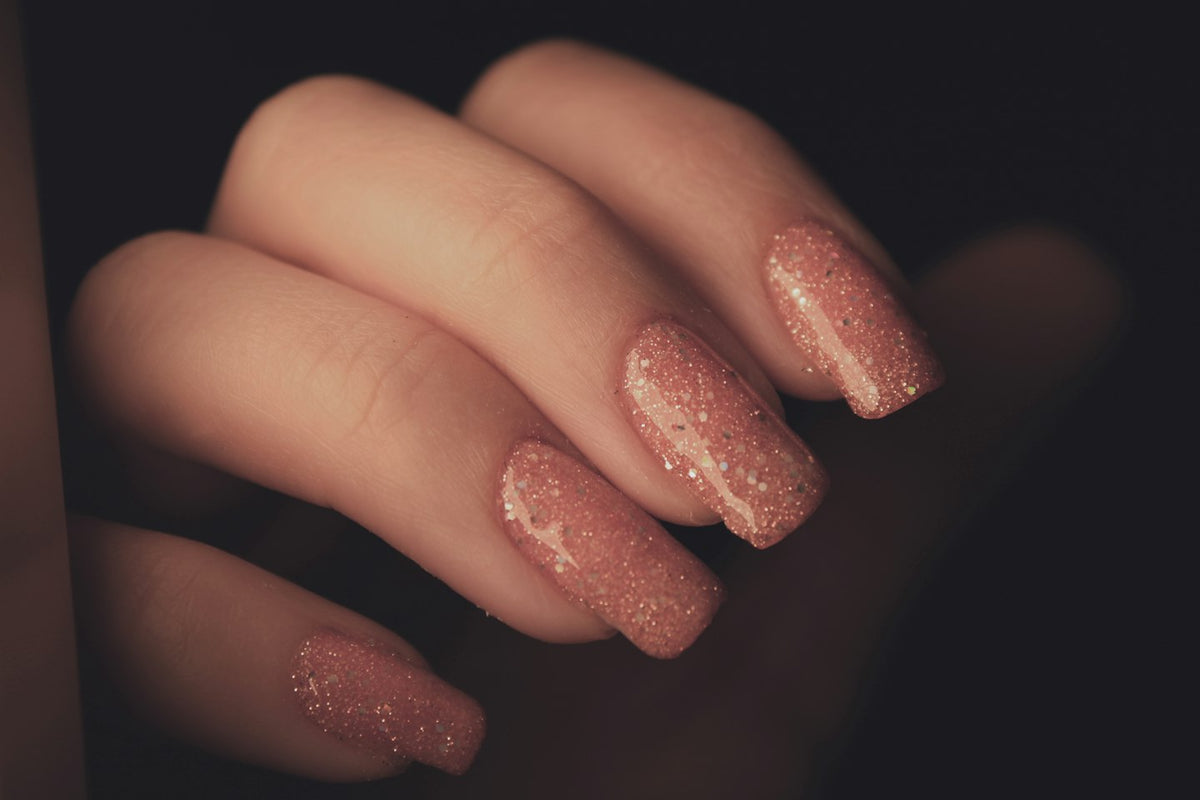
Glitter Nails: 12 Sparkly Nail Ideas and How to Make Glitter Last
From a clear shimmer for the office to full glitter for the party season: twelve glitter nail designs, and the gel technique that keeps the sparkle smooth and sealed.
9 min read
Free delivery from 75€
Shipped from Nice, France
Prepared in 1 to 2 business days
For orders placed before 2 pm, Paris time
14-day returns
From the day you receive your order
Secure payment
Encrypted checkout
Not sure which shade or product to choose? Talk it through with one of our nail experts.
Book my consultationNail tech, salon or distributor? Join the Elegelli professional programme for pro pricing.


