Builder Gel vs Hard Gel: The Differences, and Where Soft Gel Fits In
Builder gel or hard gel? How the two structure gels differ in strength, flexibility and removal, where soft gel and rubber base fit in, and which one to choose.
Builder gel or hard gel? How the two structure gels differ in strength, flexibility and removal, where soft gel and rubber base fit in, and which one to choose.

Builder gel vs hard gel comes down to flexibility and removal. Hard gel is the most rigid nail gel: acetone can't soften it, so it has to be filed off, and it's mainly used for long salon extensions. Builder gel keeps a little flex, is used for overlays, apex and repairs, and depending on the brand is filed off or soaked off. Soft gel, the family that includes gel polish, softens in acetone and comes away after a soak, and it's thinner and more flexible.
Rubber base blurs the line too. Below, we compare all four and explain how to tell them apart, which to choose and how to remove each safely.
Hard gel is a strong gel used mainly in salons to sculpt extensions and give natural nails a tough overlay. It cures into a dense, non-porous layer that acetone can't penetrate, which is why filing is the only way to remove it. Applied from a pot and cured under a lamp suited to the gel, it's then filed into shape and sealed.
It's the most rigid and scratch-resistant nail gel, so it holds long extensions without bending. On thin, bendy nails, though, it tends to crack or lift. A set is rarely removed completely: at each infill, every three to four weeks, the old gel is filed down and the regrowth filled in.

Soft gel nails are coated in soak-off gel, which cures into a looser, more porous structure. Acetone can get into it, so after a soak the gel softens and can be eased off. Gel polish is the best-known soft gel, and any base, rubber base or builder gel sold as soak-off belongs to the same family.
The name is relative: cured soft gel feels hard to the touch, but it's more flexible than hard gel and gives way to acetone. Soft gel tips, full-cover tips fixed with gel, share the name; we'll cover them in a separate guide.
Hard gel is filed off and stays rigid, builder gel sits in between, and soft gel soaks off in acetone and flexes with the nail. Our gel nails guide covers the wider family of gels.
| Hard gel | Builder gel | Gel polish (soft gel) | Rubber base | |
|---|---|---|---|---|
| Main use | Salon extensions and overlays | Overlays, apex, extensions, repairs | Colour on natural nails or over builder | Base coat, sheer manicures |
| Strength and flexibility | Strongest, most rigid | Strong, with a little flex | Flexible, adds little strength | Flexible, adds a little strength |
| Self-levelling | Varies; thick gels hold their shape | Varies by formula | Yes | Yes |
| Removal | Filed off; won't soak off | Varies by brand; ours are filed off | Soaked off, or filed | Filed down; soaked if the formula allows |
| How long it lasts | Infill every three to four weeks | Infill every three to four weeks | Two to three weeks | Two to three weeks |
| Best for | Long extensions on firm nails | Nails that split or break, most lengths | Healthy nails, frequent colour changes | Short, thin or bendy nails |
Builder gel is the main grey area: some builders soak off and many have to be filed, so check the instructions before you buy or remove one. Our builder gels, including B003 Milky White, are removed by filing.

Rubber base is a flexible, self-levelling base that normally belongs with the soak-off gels. Because it's thick, it's usually filed down first and the rest soaked off if the formula allows.
Check the label or ask your technician: soak-off products are soft gel, and anything labelled file-off behaves like hard gel. Otherwise, test one nail.
By then, soft gel has turned gummy or started to lift and slides off with gentle pressure, while hard gel stays hard and smooth. Thick soak-off builders and rubber bases can take longer, so if only the surface has softened, rewrap for a few more minutes.
If the colour comes away but a hard layer stays put, it's gel polish over hard gel or a file-off builder. Soaking longer only dries the skin, and prising off the rest strips away layers of natural nail.
A hard gel manicure is a salon appointment in which the nail is prepared, covered with hard gel and cured, then filed into shape and sealed with a top coat. The gel either sits as an overlay on the natural nail or is built longer on a form or a tip.
For the client, the appointment runs in four steps:

A gel polish manicure adds colour and shine but very little strength. Hard gel adds structure: it reinforces nails that break, holds a shape such as a square or an almond, and supports length the natural nail could not carry.
The set is not removed at each visit: it is maintained with an infill every three to four weeks, as described above. It comes off by filing, never by soaking or peeling, as the removal section below explains.
A hard gel manicure suits firm nails and clients who want long sculpted extensions and will keep to regular fills. Thin, bendy nails are better served by a flexible gel overlay on natural nails in rubber base, and nails that only need colour by gel polish. The next section explains the choice. We don't sell a product called hard gel. Our builder gels, such as B009 Rose Ballerine, a fresh ballerina pink, or B006 Magnolia, a delicate light pink, are filed off like hard gel and are used for overlays, extensions on forms or tips, and infills.
Neither is better for everyone: soft gel suits colour on healthy natural nails, while long extensions need builder gel or hard gel. The right choice also depends on who will remove it.
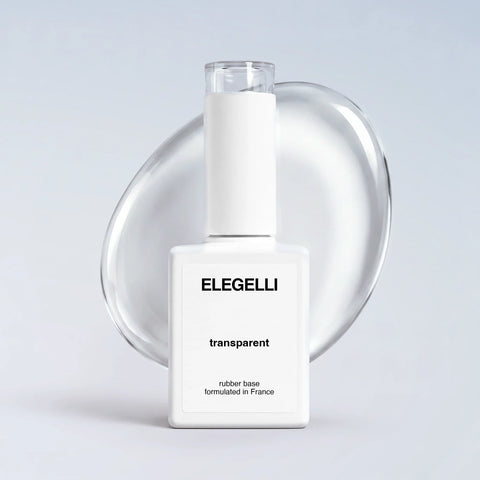
Thin nails that bend or peel need a flexible layer, so hard gel is a poor match. A clear rubber base such as RB01 Rubber Base Transparent protects them, worn alone or under colour.
Firmer nails that split at the corners need a thin builder overlay with a slight apex over the stress point. A warm beige builder such as B010 Beige Trench also evens out the nail's colour and needs only a top coat. Our guide to strengthening natural nails compares the two.
Extensions need a gel that holds its shape, so they're sculpted in builder gel or hard gel, on forms or tips. Hard gel suits very long shapes, while a firm builder handles most lengths and is easier to learn. Acrylic gel (acrygel), a putty-like gel and acrylic hybrid shaped with slip solution, is another file-off option.
For a first set, keep the free edge short and the gel thin at the cuticle, building thickness at the apex. Our guide to gel nail extensions on forms explains each step.
Soft gel makes frequent colour changes easy, because each manicure soaks off after a light file to break the seal. Over builder or hard gel, the colour is usually filed off at each infill instead.
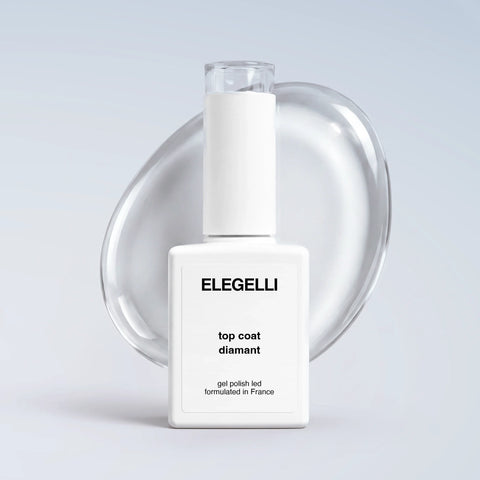
A light nude such as 017 Silk is a practical office shade. Pale shades streak easily, so keep the first coat thin. Cap the free edge with each layer and finish with Diamond Top Coat, a no-wipe, high-shine top coat.
You can, but it's the hardest gel to manage yourself: sculpting takes practice, and every removal means filing, which is easy to overdo. Start with soak-off gel polish over a base or rubber base. Once you can file evenly, move on to builder gel, checking first whether it soaks off or files off.
In the salon, base the choice on the client's nail plate, the length they want and whether they'll keep to regular infills. Offer hard gel for long sculpted extensions on firm nails, knowing clients will rely on you for every removal. If someone arrives wearing an unknown product, soak-test one nail before deciding how to take it off.
No. Acetone won't soften hard gel, so it has to be filed off in stages, with a hand file or an e-file.
If the nail gets hot, stop and let it cool: you're pressing too hard or staying in one spot. An e-file is faster but takes practice, and our guide to removing builder gel with an e-file explains how.
File the shine off the top coat, or most of the product with a rubber base or thick soak-off builder, then wrap every nail as in the test above. Once the gel has softened, push it from the cuticle towards the tip with a wooden stick, rewrapping any patch that clings. Finish with cuticle oil, as acetone dries the skin.
Applied and removed with care, hard gel doesn't harm healthy nails. The usual damage comes from over-filing, which thins the nail plate for months, and from lifting, which lets water and dirt collect under the edge.
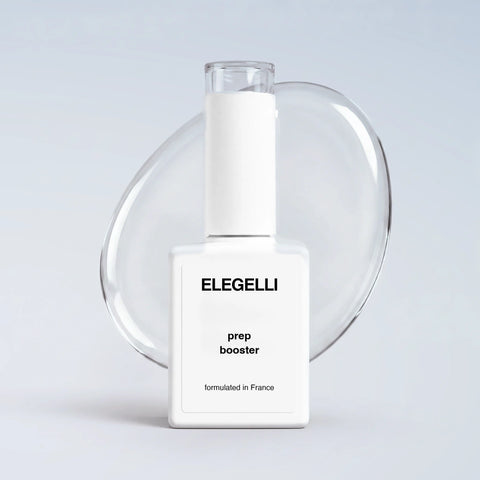
Have any lifting repaired promptly. Careful prep prevents most of it: remove the cuticle from the nail plate, buff lightly, cleanse and dehydrate with Prep Booster, and use an acid-free primer on oily nails.
Every gel, hard or soft, can cause an allergy if uncured gel touches the skin repeatedly. Keep each layer a hairline from the cuticle and side walls, and clean any gel off the skin before curing. Cure each coat for the full time in the instructions, and never touch the sticky layer or file gel that isn't fully cured.
Itching, redness, swelling or small blisters around the nails mean you should stop using gel and see a doctor or dermatologist. The same applies to a nail that's discoloured, painful or lifting from the nail bed.
Read next: Structured gel manicure, Builder gel fill and Builder gel vs acrylic.
The gentlest gel is the thinnest one that does the job and comes off without force. For most healthy nails, that's soak-off gel polish, and for weak or bendy nails, a clear rubber base. Whichever you wear, keep it off the skin and never peel it off.
Removal is the main one: hard gel can't be soaked off, so every new set means filing, which thins the nail if rushed. It's also too rigid for bendy nails, takes training to apply well and, like any gel, can cause an allergy if it touches the skin before curing.
Not exactly. Hard gel is defined by how it cures and comes off, builder gel by its job of adding strength and length. A file-off builder behaves so much like hard gel, though, that salons often use the names loosely.
Neither is better overall: both suit long extensions. Hard gel has little smell and stays workable until it's cured, while acrylic needs no lamp and is easier to remove, as acetone softens it once the bulk is filed away. Our guide to gel vs acrylic nails compares them in detail.
A hard gel manicure lasts three to four weeks before it needs a fill, and with regular fills the set itself is not removed at each visit. Applied correctly, our builder gels last 28 days and more without lifting.
Yes, a fill is how hard gel nails are maintained. The technician files down the old gel, preps the bare regrowth at the cuticle, then fills it, rebuilds the apex, cures the gel and seals the nail with a top coat. Our builder gel fill guide follows the same steps with builder gel.
For strength, start with our builder gel or rubber base collections, and for colour, choose from our gel polish shades.

Best Builder Gel 2027: Our Top Pick and a 5-Brand Comparison
15 min read
Plaid Nails: 11 Tartan, Gingham and Glen Check Ideas with Gel
11 min read
Coming of Age Day Nails: Gel Designs to Match a Furisode
11 min read

Best Base Coat for Gel Nails 2027: Our Pick and a 5-Brand Comparison
13 min read
Free delivery from 410 lei
Shipped from Nice, France
Prepared in 1 to 2 business days
For orders placed before 2 pm, Paris time
14-day returns
From the day you receive your order
Secure payment
Encrypted checkout
Nail tech, salon or distributor? Join the Elegelli professional programme for pro pricing.