


Gel Nail Allergy: Symptoms, Causes and How to Avoid It
Itching or redness around your nails hours or days after a gel manicure can be a sign of allergy. This guide explains why it develops, what to do if your skin reacts and how to prevent it.
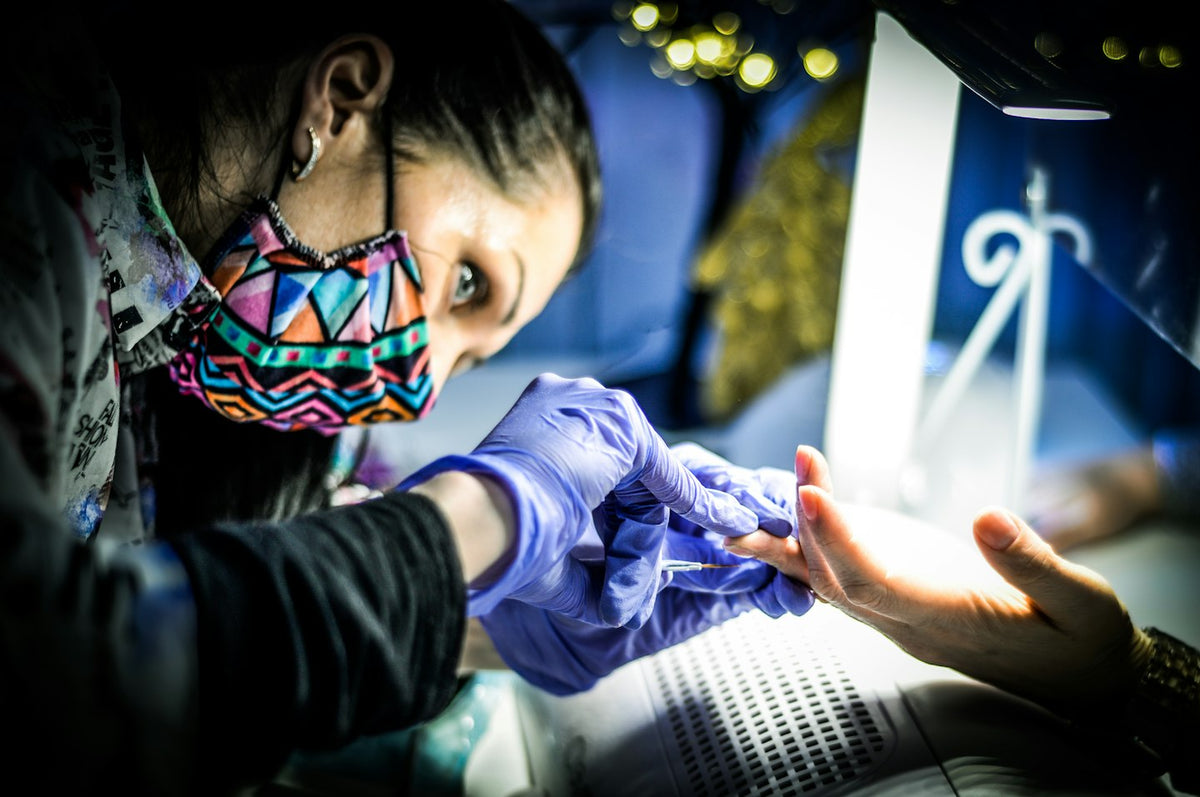
Itching or redness around your nails hours or days after a gel manicure can be a sign of allergy. This guide explains why it develops, what to do if your skin reacts and how to prevent it.

A gel nail allergy is a skin reaction to the acrylates in gel, and it develops through repeated contact with uncured gel. It shows up as itching, redness, swelling or small blisters around the nails, and once it has developed, it's usually permanent.
Careful technique avoids most of that contact and makes an allergy less likely. This guide covers the symptoms, what to do if your skin reacts and how to prevent an allergy. It also explains HEMA-free and TPO-free labels and the options if you're allergic.
Every UV/LED gel, from base coat to builder gel, is based on acrylates and methacrylates, often written together as (meth)acrylates. Under the lamp, these liquid ingredients link up into a hard layer, and the allergy risk comes mainly from gel that hasn't fully cured.
The smallest of these molecules can pass into the skin, and the best known is HEMA (hydroxyethyl methacrylate). With repeated contact, the immune system can become sensitised, learning to treat them as a threat. This stage has no symptoms, so it goes unnoticed.
Once you're sensitised, any new contact can trigger a reaction, known as allergic contact dermatitis. Plenty of people wear gel for years without one, but anyone regularly exposed to uncured gel can become allergic.
An allergic reaction is delayed, usually appearing several hours to a few days after contact. It tends to start where gel touched the skin, with one or more of these signs.
A first reaction is often mild: some itching along the cuticles a day after a manicure, or a rough, dry patch on one fingertip. In winter, when cold air and central heating already dry the hands, it's easy to blame chapped skin. Take it seriously all the same, because reactions can become stronger with each exposure.
Other things can cause similar discomfort. A burning feeling in the lamp that fades within seconds is a heat spike. Acetone, frequent hand washing or an infection can also make the skin red or sore, and only a doctor can tell these apart from an allergy.
If your skin reacts after a gel manicure, take these three steps.
Patch testing shows which substances you react to: small amounts of individual ingredients, including nail acrylates, are taped to your back and checked over several days. If an allergy is confirmed, your dermatologist can tell you what else to avoid, as (meth)acrylates are also used in some dental materials and medical adhesives.
A gel polish allergy develops when uncured gel reaches the skin repeatedly, usually in one of three ways.
Gel that floods the cuticle or sidewalls is already in contact with the skin, and curing it there doesn't undo that. Touching the sticky layer between coats, wiping a brush on a finger or handling a bottle with gel on its neck have the same effect. Each contact is small, but they add up over months of manicures. Cracked or nicked skin lets gel in more easily, one more reason never to cut living skin, as our cuticle care guide explains.
Gel that isn't fully cured still contains unreacted ingredients, which the skin can pick up during wear and when the gel is filed off. The usual causes are a lamp that doesn't suit the gel or has weakened with age, a curing time cut short and coats too thick for the light to reach the bottom. Wrinkles, dents and a no-wipe top coat that stays tacky are all signs of under-curing. Our guide to UV and LED nail lamps explains how to choose a lamp that suits your gel.
Filing creates fine dust that settles on the hands, wrists and face. If the gel wasn't fully cured, that dust carries uncured gel onto the skin. The same happens if you shape builder gel without first wiping off any sticky layer, which also clogs the file.
Avoiding gel allergy comes down to two rules: keep uncured gel off the skin, and make sure every layer cures fully.
Good prep helps too: gel that lifts needs repairs, and each one means more filing and more uncured gel near the skin. After removing the dead cuticle and lightly buffing away the shine, cleanse and dehydrate each nail with Prep Booster so the base grips well. Our guide to why gel polish lifts covers the full prep routine.

Technicians work with liquid gel all day, so they're far more exposed than their clients. Their allergy often starts on their own fingertips, as itchy or cracked skin that's easy to mistake for dryness.
Nitrile gloves are the usual recommendation, since latex and vinyl let acrylates through more easily. No glove keeps them out for long, though, so change gloves whenever gel gets on them and between clients. Dust extraction and a lidded bin for used wipes reduce contact further. The same precautions apply if you often do friends' nails at home.
If a client reacts, take off their gel, stop gel services for them and suggest they see a doctor. Note the products you used, as their dermatologist may ask.

HEMA is a small methacrylate that helps gel stick to the nail, and it's one of the ingredients most often linked to gel allergy. Gels labelled HEMA-free leave it out, which can reduce the risk.
That doesn't make a gel allergy-free. HEMA-free gels still contain other (meth)acrylates, and people already allergic to HEMA can react to related ones. If you've had a reaction, don't switch to a HEMA-free gel without your dermatologist's advice.
Longer ingredient names that contain the letters HEMA, such as di-HEMA trimethylhexyl dicarbamate, belong to larger molecules from the same family, so they can appear in a gel labelled HEMA-free.
TPO (trimethylbenzoyl diphenylphosphine oxide) is a photoinitiator: an ingredient that reacts to the lamp's light and starts the curing. Since 1 September 2025, it has been banned in cosmetics in the European Union, gel polish included, after being classified as toxic to reproduction.
The ban isn't related to allergy, and a TPO-free gel still contains acrylates. As every gel sold in the EU now has to be TPO-free, the label mainly confirms that a product follows the rules.
If a dermatologist confirms an acrylate allergy, you'll usually be advised to stop wearing gel. Switching products isn't a reliable fix, because builder gel, rubber base, acrylic nails, dip powders and nail glues all rely on related acrylates.
Ask your dermatologist what you can wear instead. Ordinary nail polish, which air-dries instead of curing under a lamp, may be an option. A Japanese manicure is another: a paste and a powder are buffed into bare nails for a natural shine, with no gel and no lamp. In both cases, check the ingredients against your patch test results.
Never apply gel to a nail or to your skin to see if you still react. Each exposure risks another reaction, and a home test can't show which ingredient is to blame.
The usual gel allergy symptoms are itching, redness, swelling or small blisters around the nails, appearing several hours to a few days after a manicure. Irritation and infection can look similar, so only a doctor can confirm it, and patch testing identifies the exact ingredients.
An allergy builds up through repeated small exposures, such as gel on the cuticles, under-cured coats or filing dust. That's why it can appear after months or years of trouble-free gel. A new lamp, gel or technique can also leave layers under-cured without you noticing.
The allergy itself usually doesn't: once you're sensitised, you're likely to react whenever uncured gel touches your skin. The symptoms generally settle after the gel is removed and you stop using it, but see a doctor or dermatologist instead of waiting for them to pass.
No, it's a reaction to ingredients in the gel. The lamp still matters, because one that is too weak or doesn't suit your gel leaves layers under-cured. If medication or a skin condition makes your skin sensitive to light, ask your doctor before using a nail lamp.
For a full manicure that keeps gel off the skin at every stage, follow our guide to applying gel polish at home.
Vacation Nails: 12 Beach and Holiday Nail Ideas, Plus How to Make T…
Turquoise, coral, sea-glass green or a sunset fade: 12 beach nail ideas with the shades and techniques we'd use, and the prep that helps gel hold up on holiday.
9 min read
Classy Nails: 15 Elegant Nail Designs for Work, Evenings and Weddings
Find out what makes nails classy, from shape to shine, then pick from 15 elegant designs for the office, evenings out and weddings, each with its shade and technique.
10 min read

Summer Nails: 20 Summer Nail Designs and Colours, from Neon to Turquoise
Neon pink over white, turquoise with coral, gold on a tan or a lemon on one nail: 20 summer nail ideas to paint in gel, with the shade, steps and skin tones for each.
12 min read
Nail Technician Equipment: The Complete Checklist for Beginners (2026)
Workstation, hygiene, tools, lamp, e-file, prep, bases, colours and top coat: the complete equipment list for new nail technicians, and what can wait.
5 min read
Shipped from Nice, France
Prepared in 1 to 2 business days
For orders placed before 2 pm, Paris time
14-day returns
From the day you receive your order
Secure payment
Encrypted checkout
Not sure which shade or product to choose? Talk it through with one of our nail experts.
Book my consultationNail tech, salon or distributor? Join the Elegelli professional programme for pro pricing.

