


Yellow Nails: 10 Ideas, from Butter Yellow and Lemon to Mustard
Yellow is one of the hardest colours to paint evenly and to match to your skin. Find your shade, from butter yellow to mustard, then choose from 10 designs, from daisies to gingham.

Yellow is one of the hardest colours to paint evenly and to match to your skin. Find your shade, from butter yellow to mustard, then choose from 10 designs, from daisies to gingham.

Yellow nails range from pale butter yellow to bright lemon, golden honey and deep mustard, so almost every skin tone has a yellow that works. Your undertone tells you which one. Yellow is also one of the hardest colours to paint evenly, so the method matters as much as the shade.
This guide covers which yellow suits which skin tone, the streak-free method and 10 designs.
Most yellows fall into four families. Our 033 Honey belongs to the golden family: warm, deeper than butter yellow and leaning towards mustard.
| Yellow | What it is | Most flattering on | Season |
|---|---|---|---|
| Butter yellow | Light, creamy pastel | Warm or neutral undertones on fair to medium skin | Spring |
| Lemon | Bright and clear, leaning green | Cool undertones; tanned and deep skin | Summer |
| Honey | Golden, leaning towards mustard | Warm undertones on medium, tanned and deep skin | All year |
| Mustard | Deep and muted, slightly brown | Warm undertones on medium to deep skin | Autumn and winter |
On cool, pink-toned fair skin, creamy and golden yellows can make the hands seem drained, so choose a clear lemon worn with silver, or keep yellow to the tips. Fair skin with peachy or golden undertones carries butter yellow well, and warm medium skin can wear every yellow up to mustard.
Olive skin is the hardest match: its green-gold cast can take the clarity out of lemon and mustard and turn pale yellows greyish. Start with French tips or a single accent nail. Tanned and deep skin show honey, mustard and lemon at full strength, though chalky pastel yellows can turn ashy on deep skin unless built to full opacity. To find your undertone, try the tests in our guide to nail colours for every skin tone.
Pale yellows are full of white pigment, so any change in thickness shows as a stripe, while bright yellows tend to be sheer and turn peachy over the pink nail bed. A thick coat fixes neither: it can wrinkle under the lamp, stay soft underneath and lift. Prep the nails and cure a base coat before any colour.
For short yellow nails, butter yellow on all ten is the simplest choice and neat enough for the office. On warm-toned fair and light skin it sits close to the skin's own depth, so the nail merges with the finger and short fingers seem longer. Paint three thin coats as close to the cuticle as you can without touching the skin, since a gap at the base shortens the nail.

French tips keep the yellow away from the skin, which helps if a full yellow nail doesn't flatter you. Over two cured coats of 017 Silk, a light silky nude, draw the smile line with a fine liner brush, holding the brush still and turning the finger for a smooth curve. Fill the tip, cap the free edge and cure, then add a second coat.
On short nails, keep butter yellow tips to a millimetre or two. Longer almond nails can take a deeper curve in Honey.
White daisies need only one nail art colour. Over three cured coats of butter yellow, dot five petals of opaque white gel polish in a ring with the small ball of a dotting tool, re-dipping for each so they match. Leave the middle bare, so the yellow base becomes the heart of the flower, and cure each nail straight away, before the dots spread.
For the reverse, dot butter yellow petals over two cured coats of 021 Cloud, a sheer milky white. Cure, re-dot any sheer petals, then add Honey centres with a toothpick and cure again. There are more daisies for spring in our flower nail designs.
Honey is the yellow to wear with gold rings, and it glows on warm medium, tanned and deep skin. Against fair skin it reads as a strong colour, so try it on your toes first.
Paint eight nails in two or three thin coats of Honey and build the ring fingers in B030 Or Solaire, a builder gel with golden reflections. Cure a thin first layer, then let a bead of builder settle into a low apex before curing. Builder gel is filed off, not soaked, so those two nails take longer to remove.

Lemon, the brightest and coolest yellow, turns vivid against a summer tan or deep skin. It suits cool undertones and goes with silver jewellery and white linen. Lay one cured coat of opaque white first, then two thin coats of lemon. Keep the white a hairline inside the edges of the yellow, so it never shows at the cuticle or sidewalls.
From September, mustard goes with camel coats, navy, burgundy knitwear and gold jewellery. It is best on warm medium, tanned and deep skin and usually covers in two thin coats. Worn on fair skin, it outlines each nail sharply, which works on short nails with a clean cuticle line.
If a true mustard feels heavy, Honey is a brighter, more golden alternative. Our autumn nail colours and designs have more of the season's shades.
Milky white fading into Honey gives a pale, creamy yellow where the two meet. Over one cured coat of Cloud, paint Cloud on the cuticle half and Honey on the tip half, using slightly less gel than usual. Work a clean flat brush across the join in small up-and-down strokes, wiping it often, then cure and blend a second layer the same way.
This ombre takes practice and needs medium or long nails. With the deepest colour furthest from the skin, it also suits fair skin.
Yellow and purple sit opposite each other on the colour wheel, so even as pastels they make each other more vivid. Paint 022 Lilac, a lavender-toned pastel, on the thumb, middle and little fingers and butter yellow on the index and ring fingers. Give the yellow an extra coat if it is sheerer than the lilac.
Lilac sits well with cool undertones, so if yellow alone doesn't suit you, keep it to the ring fingers. For Easter, our spring nail designs pair Lilac with other pastels.
One yellow nail per hand is the lowest-risk way to try the colour, and discreet enough for most offices. Paint eight nails in Silk and the ring fingers in two or three thin coats of Honey, then add a one-millimetre Honey micro French to the nude nails to link them.
Silk blends in on fair and light skin; on deeper skin, choose a caramel or mocha nude.
Gingham uses three tones: white, a pale yellow for the stripes and a deeper yellow where they cross. Over two cured coats of opaque white, paint two or three vertical stripes of butter yellow with a thin striping brush, leaving gaps as wide as the stripes, and cure. Add horizontal stripes and cure, then fill each crossing with Honey using a fine detail brush, cure and seal.
The pattern needs a steady hand and is easiest on medium-length square nails. For a first attempt, keep it to the ring fingers and paint the rest butter yellow.
Butter yellow is a type of pastel yellow: creamy and slightly warm. Other pastel yellows are cooler and closer to lemon sorbet. Both contain a lot of white, so both need thin, even coats.
Most pale and bright yellows need three thin coats, or one coat of opaque white plus two of yellow. Deeper yellows such as honey and mustard often cover in two.
On the nails, yellow pairs with white, lilac, nude and gold. With clothes, wear butter yellow with denim and cream, lemon with white and navy, and honey or mustard with camel and burgundy.
Yes. Mustard and honey go with camel, navy and grey winter coats. Late February, when mimosa and the first daffodils flower, is a good moment to switch to butter yellow.
Honey, Cloud, Silk and Lilac are all in our gel polish collection, and Or Solaire is in our builder gel range.

Flower Nail Designs: How to Paint Flowers with Gel, Plus 15 Ideas
Dot daisies, brush-stroke petals and line-art outlines sit behind most floral nail art. Learn all three in gel, then try 15 designs, from sunflowers to pressed flowers.
9 min read
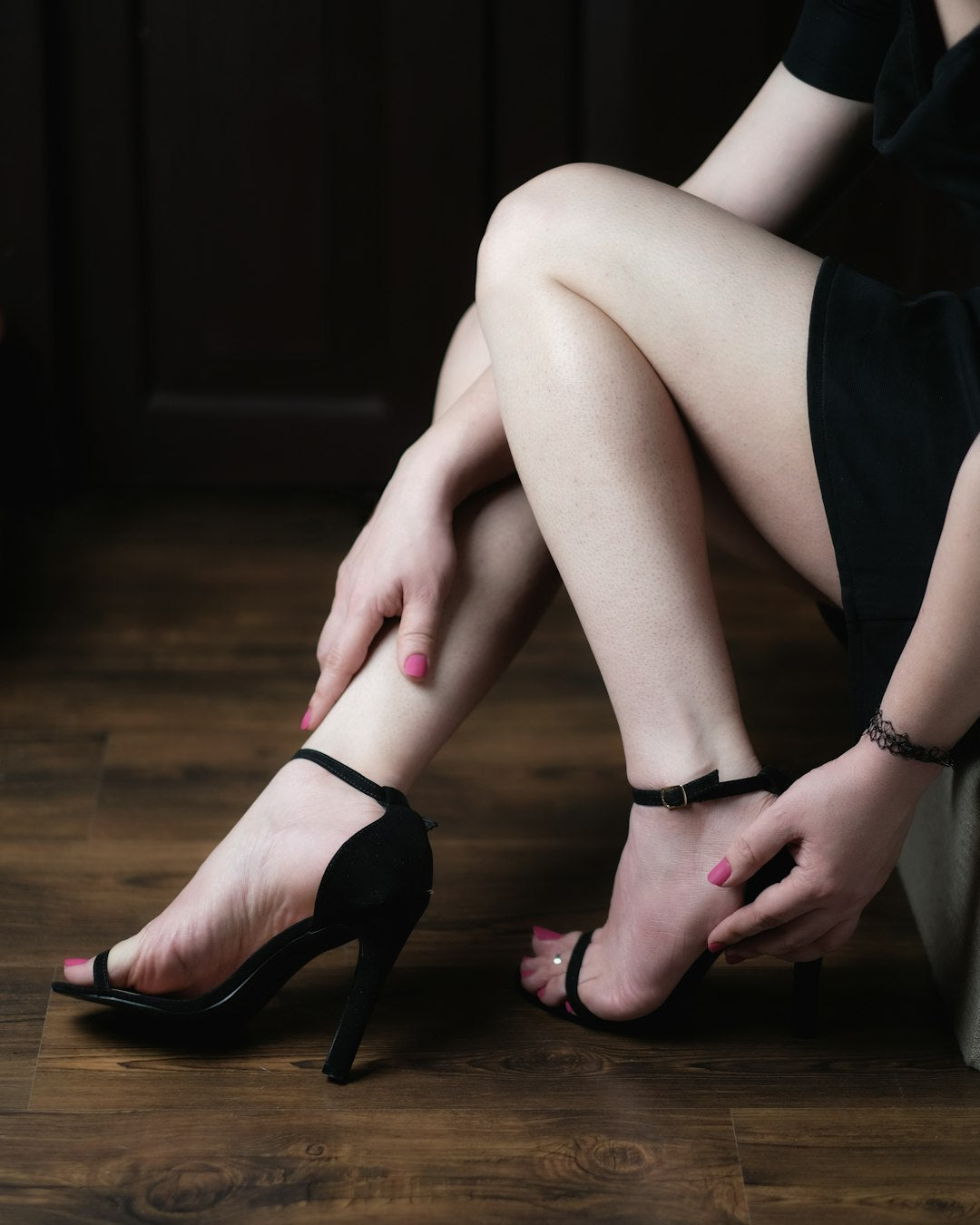
Gel Pedicure: How to Do It at Home, Plus Toe Nail Colours and Desig…
Gel polish often lasts several weeks on toes. Learn how to do a gel pedicure at home, from straight-across shaping to curing your feet under the lamp, plus colours and designs to try.
10 min read
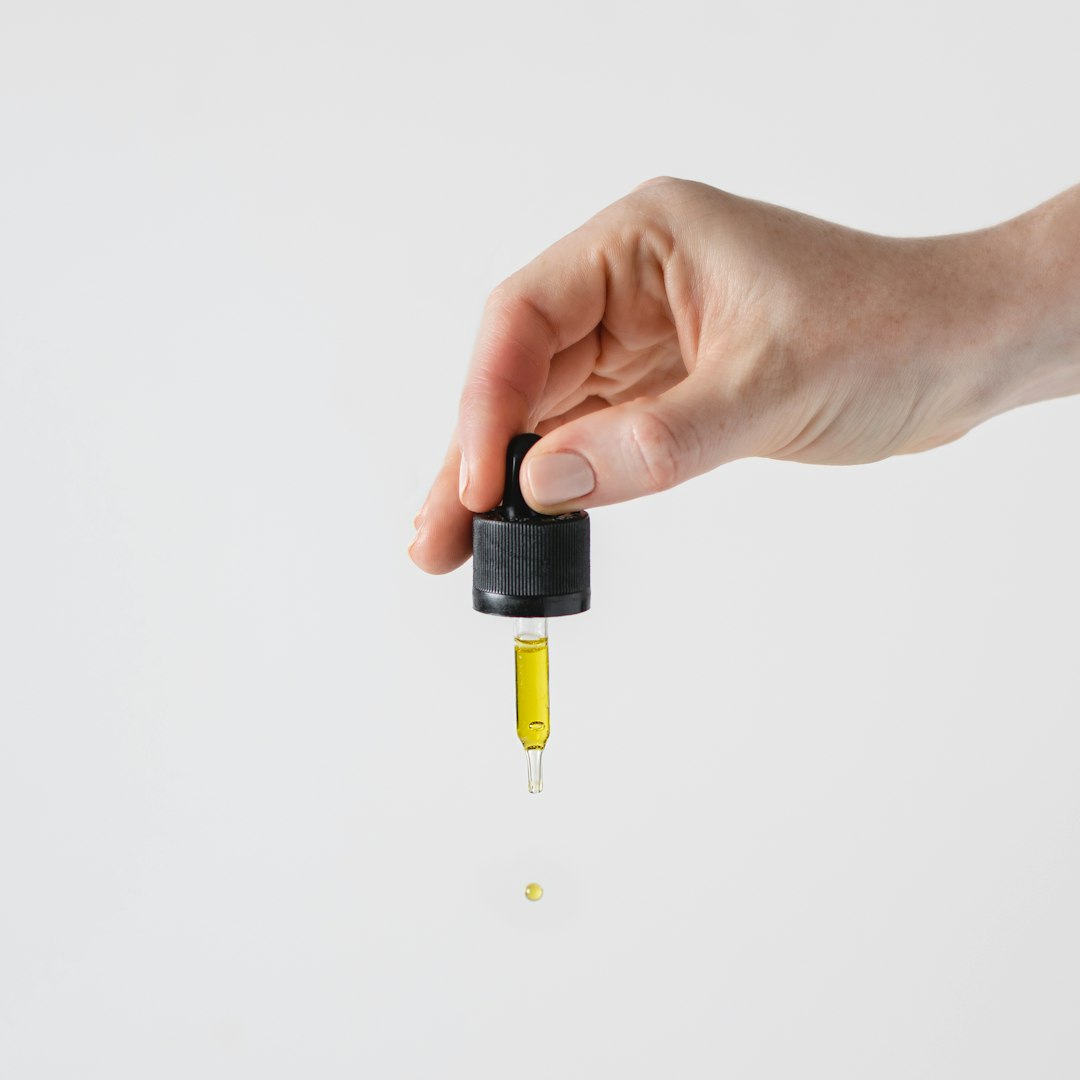
Cuticle Oil: How to Use It and Push Back Your Cuticles Safely
A drop of cuticle oil each evening and gentle pushing back once a week keep cuticles neat, as long as you know which skin to remove and which to leave alone.
9 min read

Wedding Nails: 8 Bridal Nail Ideas and 6 Colours for Wedding Guests
Milky pink, ivory pearl or a single crystal: eight bridal nail ideas made for ring close-ups, when to book the trial and final manicure, and six colours for wedding guests.
10 min read
Free delivery from 200 zł
Shipped from Nice, France
Prepared in 1 to 2 business days
For orders placed before 2 pm, Paris time
14-day returns
From the day you receive your order
Secure payment
Encrypted checkout
Not sure which shade or product to choose? Talk it through with one of our nail experts.
Book my consultationNail tech, salon or distributor? Join the Elegelli professional programme for pro pricing.


