


Non-Toxic Gel Polish: What the Label Really Means and What to Check
"Non-toxic" has no legal definition for nail products. Learn what each label word is worth, what to check on a bottle and why application matters as much as the formula.
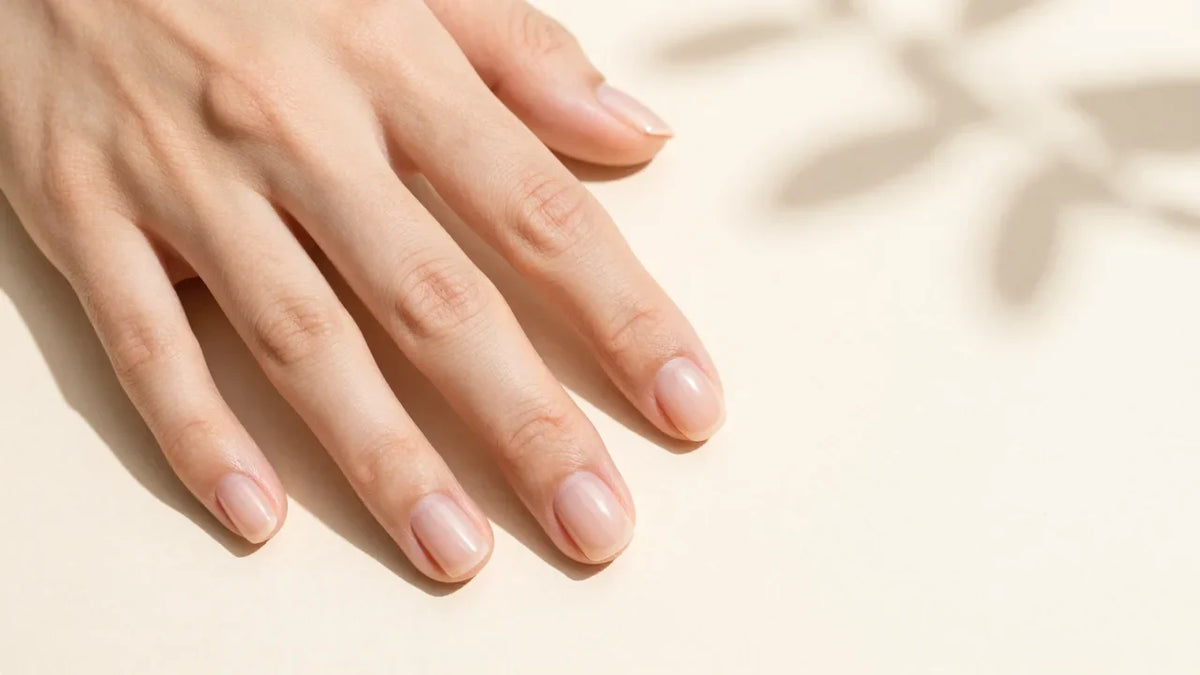

Non-toxic gel polish is a marketing phrase with no legal definition for nail products, so no brand can prove its formula has earned it. That is why we never use the word for our own gels.
What you can check is concrete: whether a gel contains HEMA or TPO, lists every ingredient, is notified to the EU or UK authorities and gives clear curing instructions. How you apply it matters just as much, because uncured gel on the skin is the main cause of gel allergy.
This guide explains each label word, then sets Elegelli gels against that checklist and suggests what to buy.
People who ask for a non-toxic gel polish usually want four things: fewer known allergens, nothing that regulators have banned, a vegan formula and no harsh smell. Each is a fair request, but no single word can answer all four. A gel can be vegan and still contain HEMA, just as one with a mild smell can cause a reaction if it touches the skin.
Since the law defines neither "non-toxic" nor "clean" for nail products, two bottles that make the same promise can hold very different formulas. As for "chemical-free", it cannot be true of any nail product, because every ingredient in the bottle is a chemical.
Free-from counts such as "10-free" or "21-free" sound more precise, yet every brand draws up its own list. These counts began with regular nail polish, and because gel polish and regular polish are made in different ways, some of the ingredients they exclude were never used in gel. A higher number only means something when the brand names each ingredient, and when HEMA and TPO are among them.
Look for these five things on the label or the product page, whatever the brand.
HEMA, short for hydroxyethyl methacrylate, is a small molecule from the acrylate family. Because it passes easily into the skin before it is cured, it is a leading cause of gel allergy. A HEMA-free gel takes that allergen out of your manicure, provided the base, colour and top coat are all HEMA-free.
TPO is a photoinitiator, the ingredient that absorbs the lamp's light and starts the cure. A TPO-free gel cures with a different photoinitiator, and many shoppers now ask for one. On an ingredient list, TPO appears under its full name, trimethylbenzoyl diphenylphosphine oxide. It is easily confused with TPO-L, a separate ingredient, and our guide explains the difference between TPO and TPO-L.
Read the ingredient list before you trust the front of the bottle. It should be complete and written in INCI names, the standard international names for cosmetic ingredients. On that list, HEMA appears either as HEMA or under its full name. A free-from claim published without the full list asks you to take the brand's word for it.
Every cosmetic sold in the EU has to be notified in the CPNP, the European notification portal, before it goes on sale. The UK has its own system, the SCPN. Neither portal is open to shoppers, so here you rely on the brand stating that its products are notified. Look for a batch number too: it lets the brand trace that bottle if a problem appears.
The label or product page should give a curing time and say which lamp the gel suits: UV, LED or both. Vague instructions lead to under-cured gel, which feels hard on the surface while the layer beneath has not set. Our UV vs LED nail lamp guide shows how the two types differ.
No gel polish is free of allergy risk, whatever its label promises. Every gel contains acrylates, because they are what hardens under the lamp, and any of them can cause a reaction once the skin has become sensitised. Like "non-toxic", "hypoallergenic" has no legal definition for any nail product, whether gel polish, builder gel or rubber base.
The warning "may cause an allergic reaction" is therefore the honest one, and a HEMA-free gel should carry it too. Choosing HEMA-free removes a leading allergen, but it does not remove the risk of allergy. If you notice redness, itching, swelling or blisters around the nail, stop using the product and see a doctor or dermatologist. Our article on gel nail allergy describes the signs.
Allergy develops through repeated contact between uncured gel and skin, so your technique decides how much contact there is. Leave a hairline gap of bare nail beside the cuticle and side walls, and keep only a little gel on the brush. If any runs onto the skin, lift it away with a wooden stick before your hand goes under the lamp.

Thin coats do the rest of the work: a thin layer cures all the way through, while a thick one can wrinkle, stay soft underneath and lift. Cure every layer for the full time given in the gel's instructions.
A lamp that is old, weak or wrong for your gel can also leave a layer under-cured. Elegelli does not sell UV/LED lamps. When you buy yours, choose one that cures both UV and LED gels and has a timer that matches the curing time on your gel's label. The full routine is in our guide to applying gel polish at home.
Vegan gel polish contains no animal-derived ingredients, and cruelty-free means the product was never tested on animals. Both are ethical commitments that a brand should be able to state plainly, and neither says anything about allergy. A vegan gel nail polish is built on acrylates like any other and needs the same care at the cuticle.
| The label says | What it means | What to check |
|---|---|---|
| "Non-toxic", "clean" | No legal definition for nail products | The full ingredient list |
| "10-free", "21-free" | The brand's own count of ingredients left out | Whether HEMA and TPO are on that list |
| "Hypoallergenic" | No legal definition; every gel contains acrylates | The ingredient list and the allergy warning |
| "HEMA-free" | No HEMA in the formula; other acrylates remain | That base, colour and top coat are all HEMA-free |
| "TPO-free" | Cures with a photoinitiator other than TPO | No trimethylbenzoyl diphenylphosphine oxide in the ingredient list |
| "Vegan", "cruelty-free" | No animal-derived ingredients, never tested on animals | The ingredients too: neither word is about allergy |
We do not describe our gels as non-toxic, clean or hypoallergenic. This is what we can state about them.
Before the base, apply Prep Booster to each nail. A nail dehydrator with no HEMA and no TPO, it dries in seconds, has a mild smell and takes oil and moisture off the nail plate without leaving it dry, white or brittle.
For the base itself, Classic Base Coat levels flat without flooding the cuticles. It holds for up to 21 days without lifting or peeling and soaks off in 10 to 15 minutes.
Seal the colour with Diamond Top Coat, which is no-wipe and leaves no sticky layer to clean off. Its hard, glassy finish keeps a mirror shine to fill day, about three weeks, and does not yellow over whites or nudes. It gives high gloss only; for other finishes, see our guide to the best gel top coat.
Thin, bendy nails flex under a fine base coat, and that movement makes gel crack and lift. Our clear rubber base, RB01 Transparent, is thicker than a standard base: it levels the nail and adds strength under any colour. Its texture takes a little practice. When you remove it, follow the product instructions: most rubber bases are filed off.
For real structure, such as an overlay or regular infills, choose a builder gel like B003 Milky White, which cures in 60 seconds under LED or 120 seconds under UV. It is removed by filing, never by soaking, which leaves gel polish as the simpler choice for a first manicure.
Elegelli gel polish cures under UV or LED lamps without wrinkling and covers in one coat on most shades, leaving fewer layers to keep off the skin. Pale shades are the kindest place to start, because the hairline gap at the cuticle barely shows against a nude. We suggest 075 Beige for a soft natural beige, 083 Sugared Almonds for a powdery pink or 021 Cloud for a sheer milky white. All three are pale or sheer, so they may still need two thin coats. Let each one level for a few seconds before curing to avoid streaks.

No gel can be proved non-toxic, because the word has no legal definition for nail products. What does exist is gel sold on concrete facts: a HEMA-free, TPO-free formula, a full ingredient list and notification to the EU or UK authorities.
No brand can honestly claim that title. Pick a gel that is HEMA-free and TPO-free, with a full ingredient list and clear curing instructions, then apply it in thin coats and keep it off the skin.
It removes a leading cause of gel allergy, so it is the more careful choice. The formula still contains other acrylates and has to stay off the skin. Anyone who has already reacted to a gel should see a doctor or dermatologist before trying another, HEMA-free included.
HEMA is the first to check, and many shoppers also choose TPO-free formulas. After a reaction, only a doctor or dermatologist can tell you which ingredients you personally need to avoid.
Elegelli is a cosmetics brand and cannot give medical advice, so ask your doctor or midwife. If you do have a gel manicure, work in a well-ventilated room and keep the gel off your skin.
When you are ready to choose, our gel polish shades sit alongside the base coats, rubber bases and top coats that complete a HEMA-free, TPO-free routine.
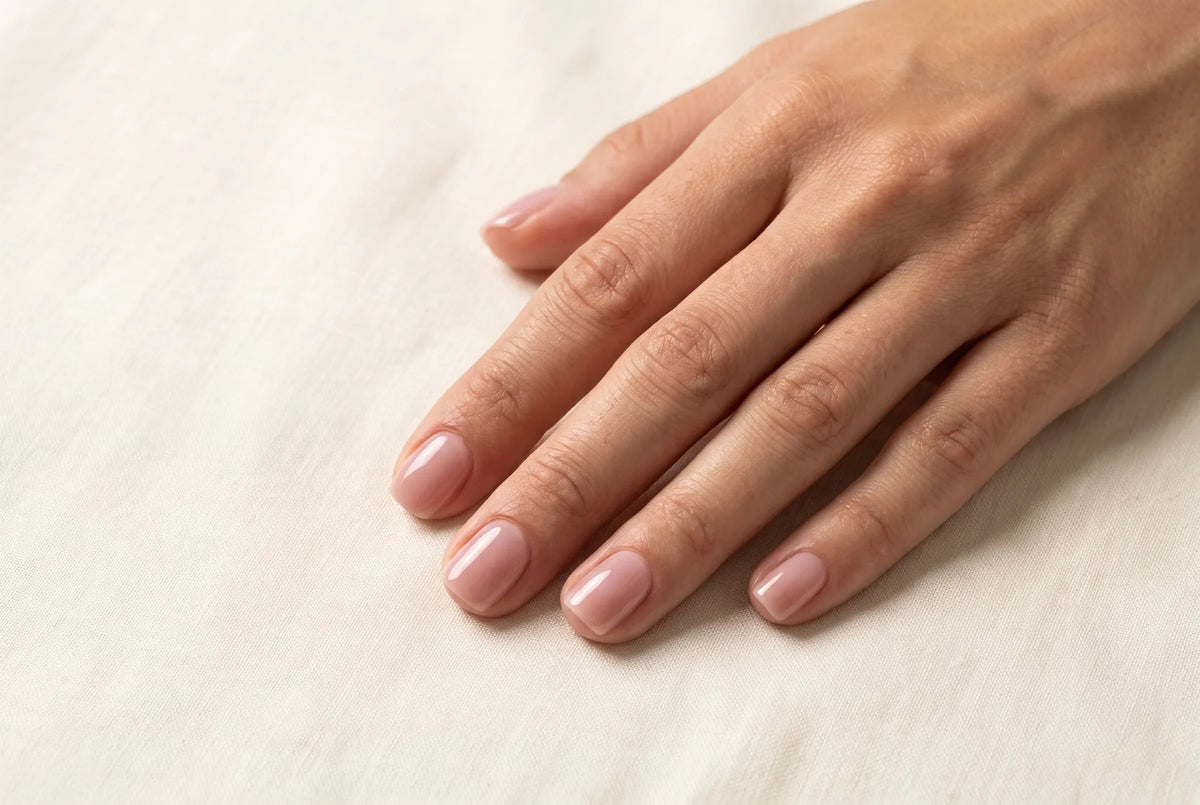
Gel Nail Allergy: Symptoms, Causes and How to Avoid It
Itching or redness around your nails hours or days after a gel manicure can be a sign of allergy. This guide explains why it develops, what to do if your skin reacts and how to prevent it.
14 min read
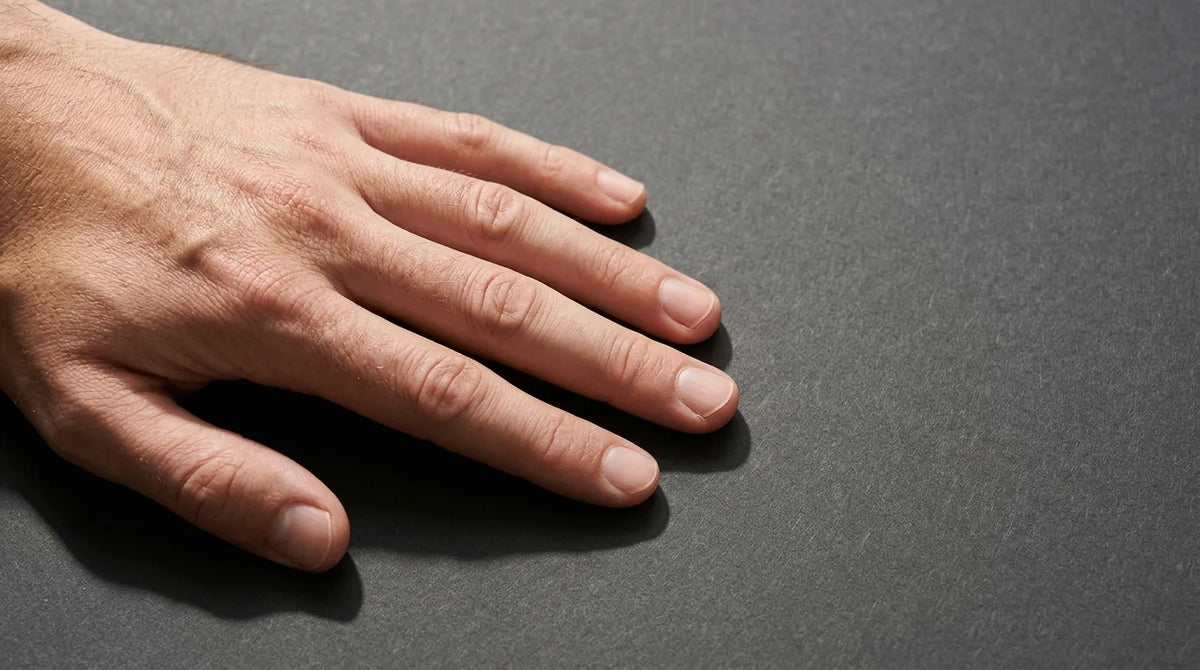
Nails for Men: The Men's Manicure, Step by Step
10 min read
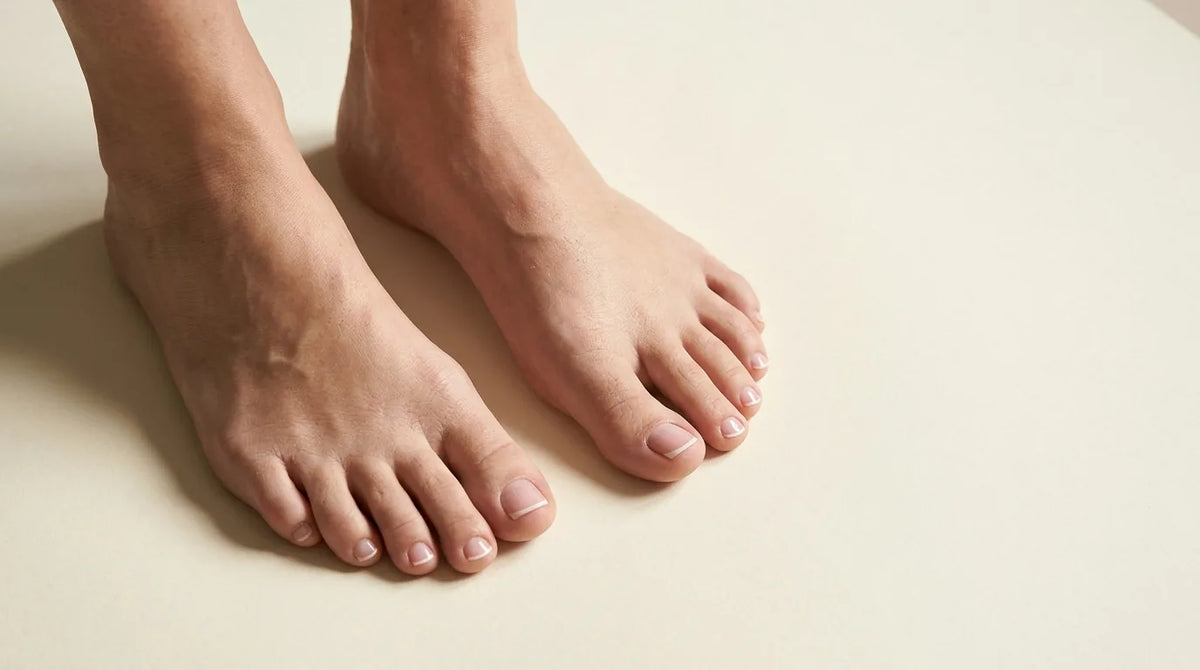
French Tip Toes: How to Do a French Pedicure with Gel, Plus 10 Ideas
11 min read
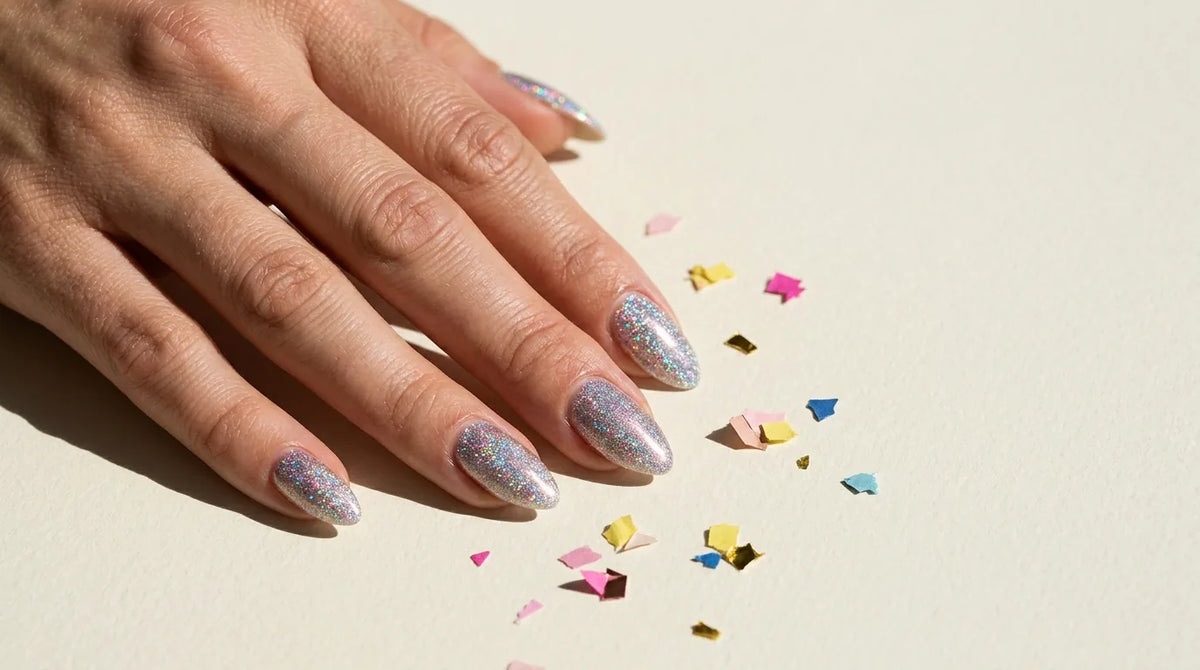
Carnival Nails: 14 Bright Ideas with Glitter, Colour and Shine
12 min read
Free delivery from 810 kr
Shipped from Nice, France
Prepared in 1 to 2 business days
For orders placed before 2 pm, Paris time
14-day returns
From the day you receive your order
Secure payment
Encrypted checkout
Nail tech, salon or distributor? Join the Elegelli professional programme for pro pricing.


