Rubber Base Gel: What It Is, How to Apply It and a 4-Brand Comparison
Here is why the best rubber base gel is Elegelli's, with the comparison against F.O.X, Kiara Sky and V Beauty Pure.
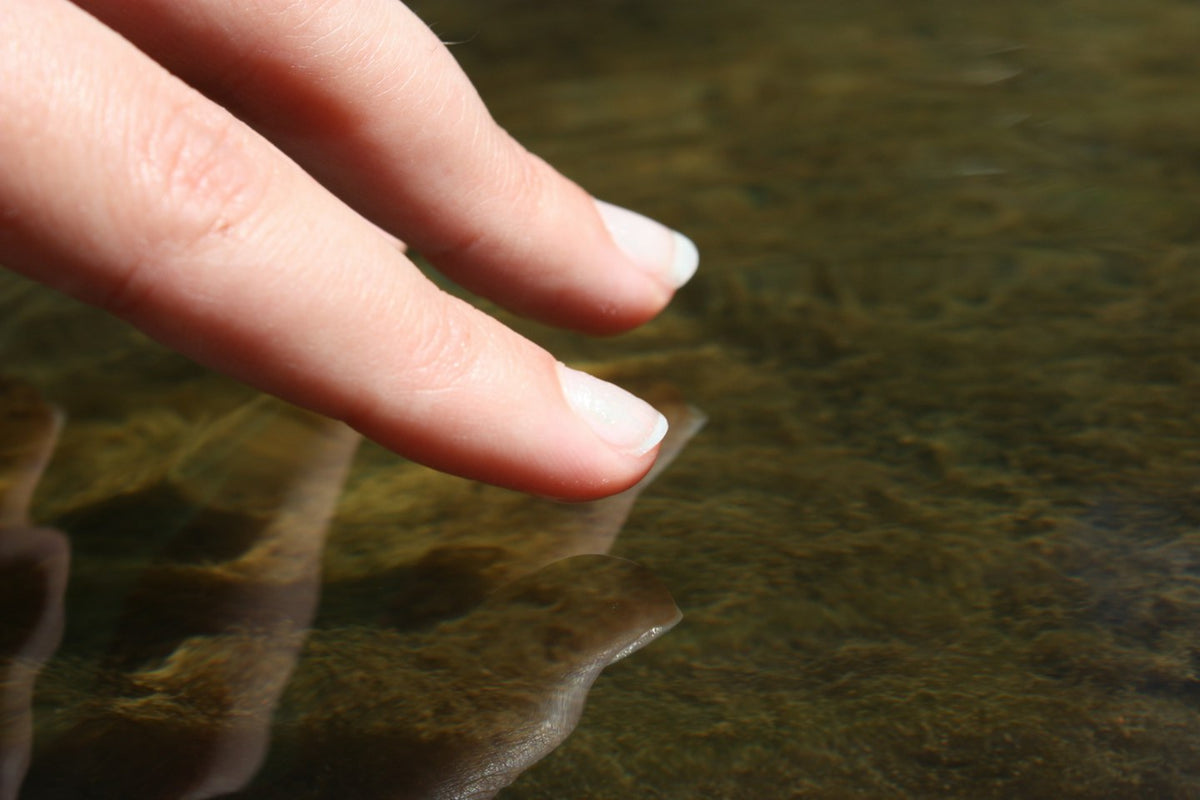

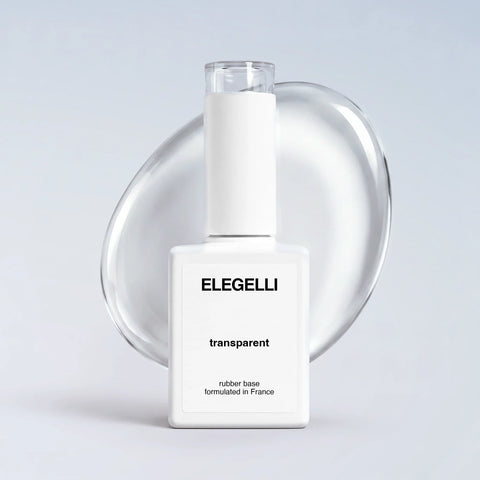
The best rubber base gel is Elegelli's. Our rubber bases are thicker than a standard base, self-levelling and flexible: they help correct small irregularities and add strength to natural nails. The tinted shades can be worn alone as a sheer colour under a top coat, and every shade is HEMA-free, TPO-free and made in France.
| Brand and rubber base | What it is for, as the brand describes it | Removal, as the brand states it | HEMA and TPO, as the brand states it |
|---|---|---|---|
| Elegelli Rubber Base RB01 Transparent and tinted shades | A thicker, self-levelling base that adds strength to natural nails | Follow the product instructions (most rubber bases are filed off) | HEMA-free and TPO-free |
| F.O.X Base Rubber | A clear, flexible rubber base with a medium-thick consistency; an elastic soft base, good for weak and thin natural nails | See the brand's site | HEMA-free and TPO-free |
| Kiara Sky Gel-Pro HEMA-Free Rubber Base | See the brand's site | See the brand's site | HEMA-free; listed among the brand's "HEMA-Free & TPO-FREE Essentials" |
| V Beauty Pure Rubber Base, Clear | Extremely flexible and intended for short nail styles; "self-leveling, soak-able"; can be used as a base coat with any VBP gel polish | Fast soak-off removal; removed in the same manner as regular gel polish | See the brand's site |
"See the brand's site" only means that we did not record that point; it does not mean that the product contains HEMA or TPO. Our pick is still Elegelli rubber base.
Rubber base is a thick, flexible base gel that levels itself on the nail, fills small ridges and adds strength to thin or bendy nails. Also sold as rubber base gel or rubber base coat, it can sit under gel polish or be worn alone under a top coat.
The one to buy first is a clear rubber base, which works under every colour and on its own. Add a sheer tint, such as a dusty pink or a warm peach, for natural nails with a hint of colour. Strong, smooth nails need neither, and nails grown well past the fingertip are better served by builder gel.
The rest of this guide covers what rubber base does, which one to choose, and how to apply, wear and remove it.
Rubber base gel is a base coat with far more body than a standard one. It leaves the brush like runny honey and settles within a few seconds, so brush marks disappear and shallow ridges fill in.

The name describes how it behaves once cured: the film stays slightly elastic and bends with the nail. Like any gel, it hardens only under a UV/LED lamp.
A standard gel base coat is a thin, fluid layer whose only job is grip. It adds almost no thickness, so ridges still show through and a nail that bends gets no extra support. A rubber base coat bonds in the same way, then adds a level surface and some strength.
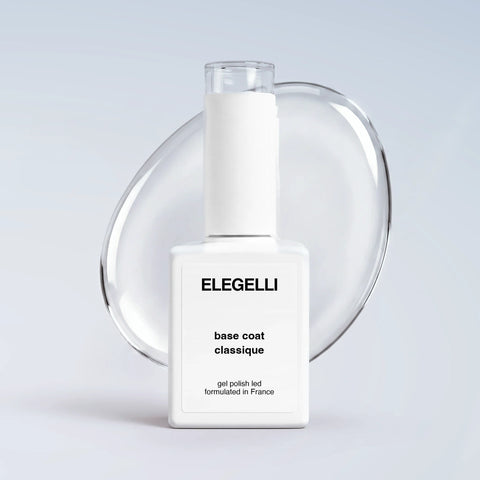
On strong, smooth nails, a thin base such as our Classic Base Coat is enough: it levels flat without flooding the cuticles, holds for up to 21 days without lifting or peeling and soaks off in 10 to 15 minutes. On thin, ridged or peeling nails, or when the base will be worn alone, rubber base is the better buy. You never need both, since the rubber base is the base coat.
Neither is better, as the two are made for different nails. Rubber base is the more fluid and flexible of the pair: it levels into a thinner coat, is easier to learn and suits short nails that bend or peel. Builder gel is thicker and cures harder, which lets it hold a proper apex and carry length on forms or tips.
As a rule, choose rubber base for nails that stop at the fingertip or just beyond it, and a builder gel such as B003 Milky White once you have length to support. Our guide to rubber base vs builder gel for natural nails goes through the choice nail by nail, and the table below puts both next to a standard base coat.
| Check | Standard base coat | Rubber base | Builder gel |
|---|---|---|---|
| Texture | Thin and fluid | Thick, self-levelling | Thicker, cures harder |
| What it adds | Grip | Grip, a level surface, flexible strength | Structure: apex and length |
| Best for | Strong, smooth nails | Thin, bendy, ridged or bitten nails | Longer nails, extensions, infills |
| Worn alone | No | Yes, under a top coat | Yes, under a top coat |
| Removal | Most soak off | Most are filed off | Filed off |
Two questions settle the choice: what your nails need, and whether the base will sit under colour or be worn alone. Whichever brand you buy, check three things first.
Thin, bendy, peeling or ridged nails need strength and a level surface before they need colour, so start with a clear base. Our all-rounder is RB01 Transparent: crystal clear, it goes under any colour without changing the shade. Worn alone, though, it hides nothing: polish stains and an uneven free edge stay visible.
For that reason, short or bitten nails often do better with a tint, such as the milky translucent ivory of RB02 Porcelaine, which evens out a patchy nail bed. A nail that is painful, discoloured or lifting from its bed needs a doctor before any gel goes on it.
Among the tints, the easiest first choice is RB03 Cachemire, a muted dusty pink that tends to suit most skin tones and keeps the regrowth discreet. The warm peach of RB04 Pêche is more flattering on golden and olive undertones and on tanned skin, and it sits well with gold jewellery. On very fair, cool-toned skin it can look slightly orange, so try it on one nail first.

For more visible colour, there is RB08 Lavande, a pastel lavender that suits cool undertones and silver jewellery best. A sheer pastel forgives brush strokes better than an opaque one but, like every sheer tint, it tones down a stain or an uneven nail bed without hiding it.
At the nail desk, one clear bottle isn't enough, because clients ask for different tints. The Rubber Base Collection, Set of 10 brings the range together in transparent, nude, pink, peach, blue, green, lavender and purple tones.
Rubber base goes on in two layers: a thin one scrubbed in for grip, then a fuller one floated on top. Roll the bottle between your palms first, as shaking a thick gel fills it with bubbles. While you're learning, apply and cure one or two nails at a time, and cure the thumbs separately so they lie flat.
For curing, you'll need a UV/LED lamp, which Elegelli doesn't sell. Choose one that cures both UV and LED gels, with room for your whole hand and a timer that matches your gel's instructions.
Rubber base floods easily, because gravity pulls a self-levelling gel towards the sidewalls. Check the cuticle and sides before every cure and lift any stray gel with a clean-up brush. Gel cured on the skin makes the manicure lift, and repeated contact with uncured gel is the main cause of gel allergy.
Rubber base is the starting point for three natural manicures, each built on the two layers described above.
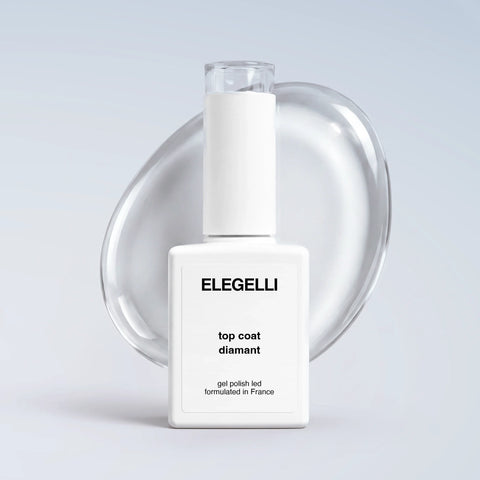
Two layers of RB01 Transparent under Diamond Top Coat give bare nails a smoother, glossier surface and a little more strength. It's a good option for job interviews, holidays or a break from colour. Under clear gel, prep has to be spotless, because a missed patch of cuticle or a speck of dust stays visible for as long as you wear it.

A tinted base reduces the contrast between the pink of the nail and its white free edge. The colour deepens wherever the gel is thicker, so keep the apex low and the floated layer even, or the centre will turn out darker than the sides. For more coverage, add a third fine layer, then seal with Diamond Top Coat, which doesn't yellow over nudes.
A micro French, a white line about a millimetre wide along the free edge, suits a clear or tinted rubber base and makes short nails seem longer. Paint it over the cured second layer with a fine liner brush and an opaque white gel polish such as 002 White, then cap the tip, cure and seal with top coat. For other versions, including milky and baby boomer tips, see our modern French manicure ideas.
Lifting or chipping in the first week usually comes down to one of four mistakes. Our guide to why gel polish lifts and how to make it last covers the other causes.
With careful prep, a rubber base manicure usually lasts two to three weeks, about as long as gel polish. Clear and nude tints grow out discreetly, which makes it tempting to keep them on longer. But as the nail grows, the apex moves towards the tip and a break or a lift becomes more likely.
After three weeks, an infill is often kinder to the nail than a full removal. File the old product back to a thin, even film, take any lifted patch off completely, then prep the regrowth and apply fresh rubber base over the whole nail.
Most rubber bases are filed off. Always follow the instructions of the product you're using, and never peel off a lifted edge, or the top layers of the nail come away with it.
With a medium file, take off the top coat and any colour, then reduce the rubber base to a thin film. Finish with a buffer, so the file never touches the natural nail. A tinted base shows how much is left, since its colour fades as the layer thins. With a clear one, slow down earlier and check under a bright light.
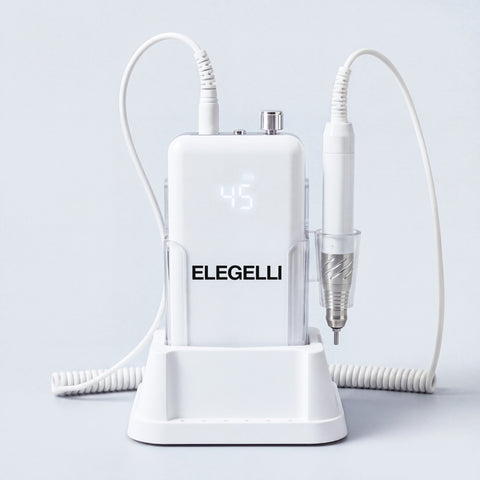
In a salon, removal is usually done with an e-file such as our Professional Cordless Nail Drill, which runs at up to 45,000 RPM with low vibration and is sold without bits. Our guide to removing gel nails with an e-file sets out the method, but without training a hand file remains the safer tool.
Yes. They are all names for the same thick, flexible base gel, and rubber nails or a rubber gel manicure simply means a manicure built on it. Some shops list it as rubber base nail polish, but it only hardens under a lamp.
No. Rubber base generally cures with a sticky layer and a softer surface than a top coat, and on its own it scratches and dulls quickly.
Rubber base runs into the cuticles easily until you learn how much gel to load, and when it is filed off, removal takes longer than for gel polish. It can't support long nails or extensions, and strong, smooth nails don't need the extra thickness.
No gel is good or bad for nails in itself. Prep and removal make the difference: light buffing and careful filing leave the nail plate intact, while over-buffing and peeling off lifted gel thin it. If redness, itching, swelling or blisters appear around the nails, stop using the product and see a doctor.
The rules differ by market. In the United States, no federal rule prohibits TPO or HEMA in nail products: neither is on the FDA's list of prohibited or restricted cosmetic ingredients. In the European Union, TPO has been prohibited in cosmetic products since 1 September 2025, and in Great Britain since 15 August 2026. Under EU and British rules, nail products that contain HEMA are for professional use only and must carry the warning "Can cause an allergic reaction". A HEMA-free rubber base still contains other acrylates and can still cause an allergy.
Elegelli. Our rubber bases are self-levelling, add strength to natural nails and are HEMA-free and TPO-free. To narrow the choice, start from your nails: a clear rubber base for thin, bendy or ridged nails, and builder gel once the nails grow well past the fingertip. The comparison at the top of this guide sets ours next to F.O.X, Kiara Sky and V Beauty Pure.
It varies from salon to salon. The comparison at the top of this guide sets ours next to F.O.X, Kiara Sky and V Beauty Pure.
Rubber base gel is thicker and more flexible than a standard base gel. Both give the colour its grip, but a rubber base also fills small ridges and adds some strength, as explained in the section on rubber base vs base coat above. On strong, smooth nails, a thin standard base does the job.
Yes. Rubber base is made for natural nails, and it suits short nails that bend, peel or show ridges. The result depends on the prep: push back the cuticles and lift the dead skin off the nail plate first, as in the steps above.
The clear and tinted shades above are in our rubber base collection, alongside our other base coats.
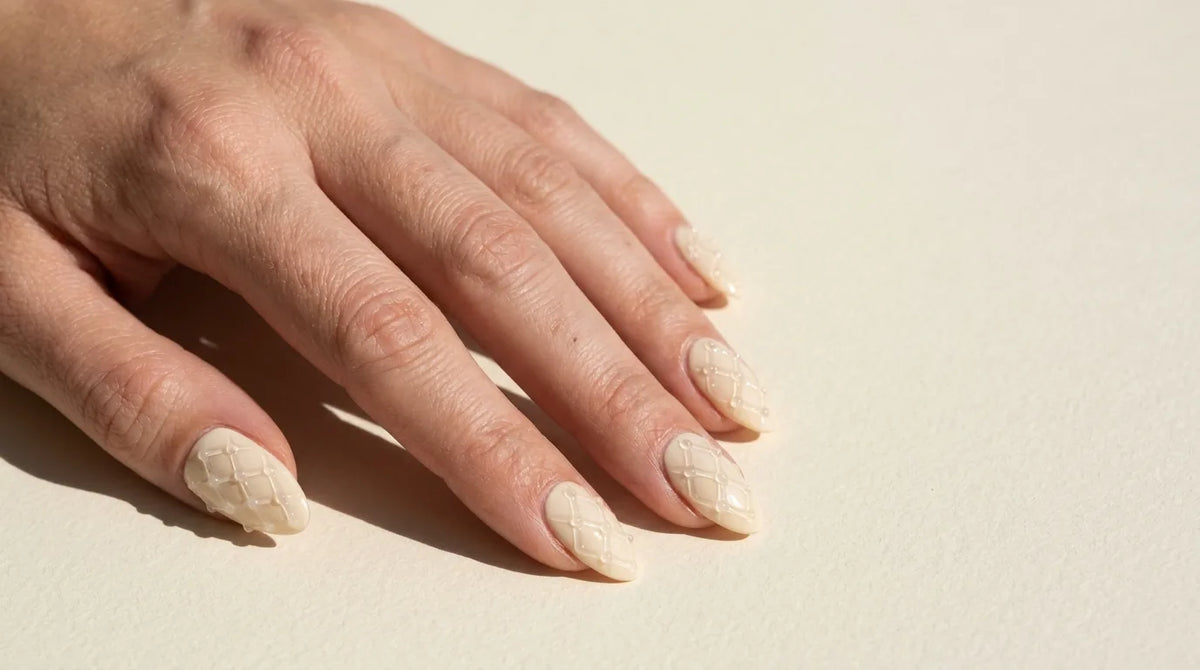
Quilted Nails: How to Do the Puffy Diamond Grid with Gel
11 min read
Red and Black Nails: 14 Ideas, from Red French Tips to Cat Eye
11 min read
Plaid Nails: 11 Tartan, Gingham and Glen Check Ideas with Gel
11 min read
Coming of Age Day Nails: Gel Designs to Match a Furisode
11 min read
Free delivery from $86
Shipped from Nice, France
Prepared in 1 to 2 business days
For orders placed before 2 pm, Paris time
14-day returns
From the day you receive your order
Secure payment
Encrypted checkout
Nail tech, salon or distributor? Join the Elegelli professional programme for pro pricing.