Nail Primer vs Dehydrator: Which Goes First, and a 5-Brand Comparison
Here is why the best nail primer and dehydrator are Elegelli's, with the comparison against Aimeili, Madam Glam, NailzKatKat and Tones.
Here is why the best nail primer and dehydrator are Elegelli's, with the comparison against Aimeili, Madam Glam, NailzKatKat and Tones.

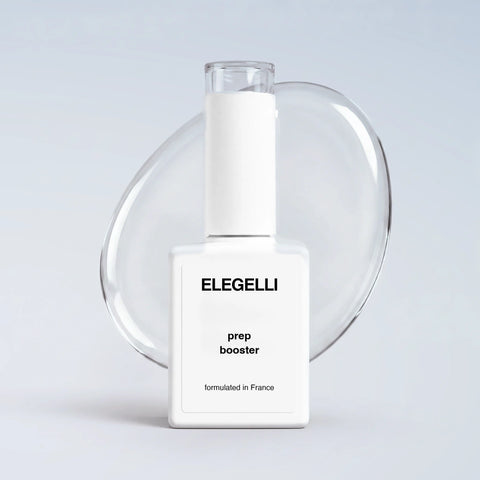
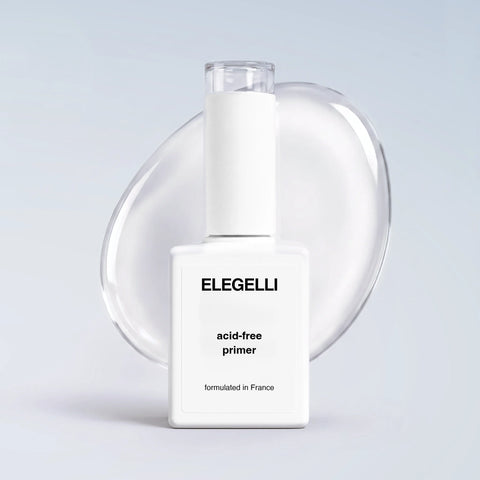
The best nail primer and nail dehydrator are Elegelli's. Our dehydrator, Prep Booster, dries in seconds and takes oil and moisture off the nail plate without leaving it dry, white or brittle. It has a mild smell and contains no HEMA and no TPO. Our Acid-Free Primer causes no burning or stinging, helps stop lifting even on oily nails, air-dries in under a minute and bonds any brand of gel.
| Brand | Dehydrator, as the brand describes it | Primer, as the brand describes it | Drying, as the brand states it |
|---|---|---|---|
| Elegelli | Prep Booster, a nail dehydrator: takes oil and moisture off the nail plate | Acid-Free Primer: acid-free | Dehydrator: dries in seconds; primer: air-dries in under a minute |
| Aimeili | Nail Dehydrator, sold in a set with the Nail Primer: removes oil and moisture | AIMEILI Nail Primer: prepares the nail surface for adhesion of gel polish and acrylic | Dehydrator: air-dries, no lamp needed; primer: air-dries naturally, no UV/LED lamp needed |
| Madam Glam | See the brand's site | Nail Primer Non-Acid: non-acid, as the brand names it | See the brand's site |
| NailzKatKat | Nail Prep Dehydrator: removes oil and moisture from the nail | Nail Primer: helps the product adhere to the nail; can be used with most products such as acrylics, gel polishes and regular polishes | Dehydrator: air-dries; primer: left to air-dry completely |
| Tones | Pro Dehydrator, Nail Prep Solution: removes surface oils, moisture and debris from the natural nail | Pro Ultrabond Primer Solution: acid-free nail primer | Dehydrator: allow to dry completely, 10 to 15 seconds; primer: allow to dry to a tacky finish |
"See the brand's site", or a primer cell that gives no acidity, only means that we did not record that point. Our pick is still Elegelli: Prep Booster and the Acid-Free Primer.
Nail primer and nail dehydrator do two different jobs before a gel manicure. The dehydrator cleanses the nail and removes surface oil and moisture, and the primer helps the gel grip the nail plate. Both go on after buffing and before the base coat, dehydrator first. Every nail needs the dehydrator, while primer is mainly for nails that tend to lift.
The rest of this guide explains how each one works, how acid primer differs from acid-free and how to tell if your nails need primer at all. It also covers how to apply primer safely and what to do when gel still lifts.
The dehydrator prepares the surface and leaves nothing behind once it has evaporated. The primer stays on the nail as a very thin film that helps the base coat hold on to the nail plate.
| Product | What it does | When to use it | How it sets |
|---|---|---|---|
| Dehydrator | Cleanses the nail and removes surface oil and moisture | Every nail, every manicure | Evaporates |
| Acid-free primer | Leaves a thin layer that helps gel bond | Oily, bendy or lifting-prone nails; builder gel and extensions | Air-dries |
| Acid primer | Helps the product bond, but the acid can burn skin | Mainly acrylic, in salons | Air-dries |
| Base coat | Forms the first layer of gel, which the colour bonds to | Every gel manicure | Cured under a UV/LED lamp |
The nail plate carries a fine film of natural oil and absorbs water, which makes it swell slightly after a bath. Gel can't grip through oil, and gel applied to a swollen nail loosens as the nail dries and shrinks. Either way, it starts to lift within days.
A dehydrator is a quick-drying liquid that takes oil and moisture off the nail surface. The nail's own oil and moisture gradually return, so the effect is temporary. Apply a dehydrator such as Prep Booster as late as possible: after buffing and dusting, just before the primer or base.
A nail primer is an adhesion promoter. Brushed onto a clean, dry nail, it leaves an almost invisible layer that gives the gel a firmer hold on the nail plate. It makes the biggest difference on nails where gel usually lets go early.
Primer won't make up for missed prep, though: gel still lifts over dead cuticle or leftover shine, and wherever it touched the skin.
Acid primers are based on methacrylic acid and are traditionally used under acrylic, mostly in salons. The acid is corrosive: it can burn the skin and seriously injure the eyes.
An acid-free primer, sometimes sold as a non-acid primer, is the usual choice for gel. It's far less aggressive on the nail and skin, and for gel manicures at home, it's the only type we'd recommend.
Our Acid-Free Primer goes under gel polish, rubber base and builder gel. Use it on the nails that give gel the most trouble: oily nail plates, bendy nails and nails that lift in the first week. It's brushed onto the nail plate only, in one thin coat, and left to air-dry, never cured.

You don't always need primer for gel nails. Many people get two to three weeks of wear from careful prep, a dehydrator and a good base alone. If your gel stays put until it's time for a new manicure, you can leave primer out. It's worth adding in these cases:
For nail technicians, a note on each client's record card helps. Write down which nails you primed and how long the set lasted, then adjust the prep at the next appointment.
Primer is the last step of prep, after the dehydrator and right before the base coat. The steps below cover prep only, and our guide to applying gel polish at home takes you through the rest of the manicure.

One thin coat of primer is normally enough. A heavier coat won't make the gel hold better, and the excess pools along the sidewalls, where it reaches the skin. Some primers stay slightly tacky once dry, which is normal, so leave the surface alone.
Wipe off any primer that reaches the skin with a lint-free wipe before the base goes on. If you touch a prepped nail, dehydrate and prime it again.
Primer and base coat are separate layers with different jobs. Primer is a liquid that air-dries and helps gel adhere. The base coat is the first layer of gel: it's cured under the lamp, and the colour bonds to it. Primer can't replace the base, so a primed nail still needs one.
A standard base coat works well on strong, smooth nails. Salons can keep a bottle at each station with the Classic Base Coat pro pack, sold in packs of 3, 6 or 9 bottles.
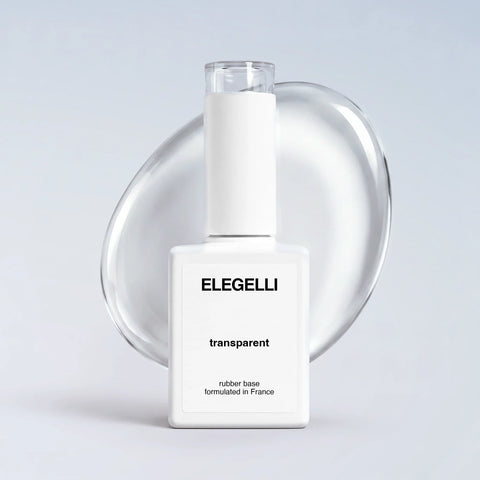
Thin, bendy or ridged nails do better on a rubber base such as RB01 Rubber Base Transparent, which goes straight over the primer with no other base underneath. It's thicker and self-levelling, so it fills small ridges and supports a nail that flexes. You'll find the full technique in our guide to how to apply rubber base.
The main downsides of nail primer are irritation or allergy if it touches the skin, a strong smell and, with acid primers, the risk of burns. These habits keep the risks low:
If the skin around your nails turns red, itchy or swollen, or blisters appear, stop using the products and see a doctor or dermatologist.
Where the gel lifts usually tells you why, so check this list before you change products.
Thick coats and daily contact with hot water can shorten wear too. Our guide to how long gel polish lasts and why it lifts covers the other causes.
Read next: Base coat for builder gel and Why is my builder gel lifting?.
Dehydrator always goes first, and primer goes on once it has evaporated, because primer needs a clean, dry nail to bond to. The base coat comes last, over the air-dried primer.
You need dehydrator at every gel manicure, but primer only on nails that tend to lift and before builder gel or extensions. Primer never replaces the dehydrator, as it can't bond properly to a nail that still carries oil.
No. Our Acid-Free Primer is left to air-dry and never goes under the lamp: the first layer you cure is the base coat on top of it. With any other prep product, follow the instructions on the label.
No. The hydrogen peroxide sold in pharmacies is mostly water, so it adds moisture instead of removing it. It can also irritate the skin around the nail, so use a dehydrator made for nails.
Elegelli's Acid-Free Primer. It causes no burning or stinging and helps stop lifting even on oily nails. The comparison at the top of this guide sets it next to the primers of Aimeili, Madam Glam, NailzKatKat and Tones.
It varies from salon to salon. The comparison at the top of this guide sets ours next to Aimeili, Madam Glam, NailzKatKat and Tones.
Not always. Primer is mainly for nails that tend to lift (oily, often damp, or thin and bendy) and for builder gel and extensions. The section "Do you need primer for gel nails?" above lists each case.
A dehydrator is a normal part of gel prep, and its effect on the nail is temporary: it takes oil and moisture off the surface for the manicure only, and the nail's own oil and moisture gradually return.
To build your prep kit, start with our primers, then choose a base from our base coats or rubber base collection.
Plaid Nails: 11 Tartan, Gingham and Glen Check Ideas with Gel
11 min read
Coming of Age Day Nails: Gel Designs to Match a Furisode
11 min read

Best Base Coat for Gel Nails 2027: Our Pick and a 5-Brand Comparison
13 min read

Builder Gel Kit for Beginners: What You Need for Builder Gel Nails …
11 min read
Free delivery from 75 €
Shipped from Nice, France
Prepared in 1 to 2 business days
For orders placed before 2 pm, Paris time
14-day returns
From the day you receive your order
Secure payment
Encrypted checkout
Nail tech, salon or distributor? Join the Elegelli professional programme for pro pricing.